As technology continues to evolve at a rapid pace, the app development landscape is also experiencing significant changes. With advancements in artificial intelligence, machine learning, and other technologies, the way we develop and use mobile apps is undergoing a transformation. As we look ahead to 2025, app development is expected to embrace new trends that will change the way users interact with apps, while also shaping how businesses create and deliver their digital products. In this blog, we will explore the key trends to watch in app development in 2025.
1. Artificial Intelligence and Machine Learning Integration
Artificial Intelligence (AI) and Machine Learning (ML) have already started to play a significant role in app development, but their influence is set to grow even more in 2025. These technologies help apps provide personalized user experiences, automate tasks, and offer predictive capabilities.
- Personalized User Experience: AI can analyze user behavior and preferences to tailor app content and notifications, enhancing user engagement.
- Intelligent Automation: Machine learning algorithms can automate repetitive tasks like data entry, improving efficiency and reducing human error.
- Chatbots and Virtual Assistants: AI-powered chatbots and virtual assistants will continue to improve in 2025, offering real-time support and solving user queries instantly.
2. 5G Connectivity
The rollout of 5G technology is expected to revolutionize app development in 2025 by enabling faster internet speeds and lower latency. With 5G, apps can offer richer, more immersive experiences, especially for those in industries like gaming, video streaming, and augmented reality (AR).
- Faster Download and Streaming: With 5G, users will experience faster download speeds, smoother video streaming, and quicker app updates.
- Enhanced Real-Time Communication: 5G will make real-time communication more seamless, allowing for better voice and video calls, live streaming, and multiplayer gaming experiences.
- Better AR and VR Experiences: 5G will enable more immersive augmented and virtual reality experiences with minimal lag, providing users with a more interactive environment.
3. Augmented Reality (AR) and Virtual Reality (VR)
The growth of AR and VR technology will continue to shape app development in 2025. These technologies allow for more immersive, interactive experiences that can take apps to the next level.
- AR Shopping Experiences: In e-commerce, AR will enable users to visualize products in their environment before making a purchase. This could lead to more informed buying decisions and reduce returns.
- Immersive Gaming: AR and VR will continue to push the boundaries of gaming, offering players a deeper sense of immersion through enhanced visual and sensory elements.
- Training and Education: AR and VR are also making strides in education and training apps, offering hands-on, immersive learning experiences that simulate real-world situations.
4. Cross-Platform App Development
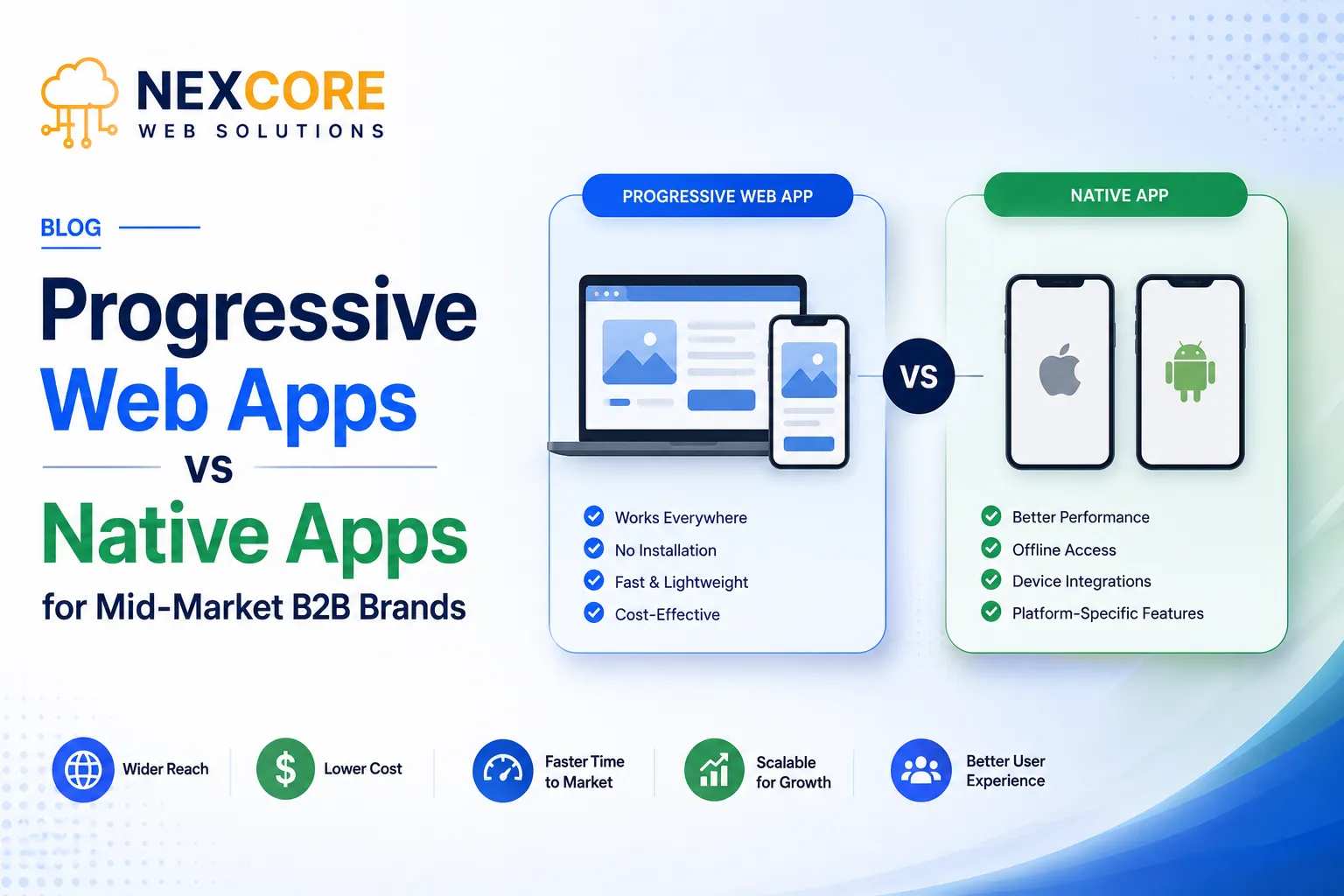
Cross-platform development is gaining momentum as businesses look to create apps that work seamlessly across various devices and operating systems. With frameworks like Flutter and React Native, developers can build apps that run on both iOS and Android with a single codebase, saving time and resources.
- Increased Efficiency: Cross-platform development allows for faster app deployment and updates, as the same codebase can be used across platforms.
- Cost-Effectiveness: Businesses can reduce development costs by using cross-platform frameworks, which eliminate the need to maintain separate codebases for iOS and Android.
- Enhanced User Experience: With cross-platform frameworks continually improving, users can expect a more consistent experience across all devices.
5. Blockchain Technology
Blockchain technology has gained significant attention in recent years due to its ability to provide secure, transparent transactions. In 2025, we can expect blockchain to play a larger role in app development, especially for industries like finance, healthcare, and supply chain management.
- Enhanced Security: Blockchain’s decentralized nature ensures that data is secure, making it ideal for apps that handle sensitive user information or financial transactions.
- Cryptocurrency Integration: Apps in the finance sector will likely integrate cryptocurrency wallets and payment options, allowing users to make secure, transparent transactions.
- Supply Chain and Healthcare: Blockchain can be used to track goods and ensure transparency in supply chains, or to secure patient records and data privacy in healthcare apps.
6. Wearable App Development
Wearable technology is growing rapidly, and with devices like smartwatches and fitness trackers becoming more advanced, app developers will continue to explore new ways to integrate apps with these devices in 2025.
- Health and Fitness Tracking: Wearable apps will become more sophisticated, offering real-time health monitoring, personalized fitness plans, and integration with medical devices.
- Enhanced User Experience: Wearables will allow users to interact with apps through simple gestures or voice commands, making them more convenient and accessible.
- Extended Functionality: Wearables will continue to integrate with other smart devices, such as home automation systems, to provide users with seamless control and access.
7. Cloud-Based Apps
Cloud-based apps have already gained traction, and this trend will continue into 2025. By leveraging cloud computing, app developers can create apps that are more scalable, secure, and cost-effective.
- Data Storage and Backup: Cloud-based apps provide users with secure data storage and automatic backups, ensuring that data is always accessible and protected.
- Seamless Synchronization: Cloud-based apps allow users to seamlessly sync their data across multiple devices, making it easier to access content and continue tasks across platforms.
- Cost-Effectiveness: Cloud services reduce infrastructure costs, allowing businesses to focus on app development without worrying about costly hardware or server management.
8. Voice-Activated Apps
Voice-activated technology, powered by AI assistants like Siri, Alexa, and Google Assistant, is becoming an essential feature of modern apps. In 2025, voice interactions are expected to be even more integrated into mobile apps, offering a hands-free and more natural way for users to interact with apps.
- Hands-Free Interaction: Users will be able to interact with apps via voice commands, allowing for hands-free operation and increased accessibility.
- Voice Search: Apps will incorporate more advanced voice search features, allowing users to search and navigate apps with ease.
- Smart Home Integration: Voice-activated apps will continue to work seamlessly with smart home devices, allowing users to control various aspects of their homes through voice commands.
9. No-Code and Low-Code Development
No-code and low-code development platforms are democratizing app development, allowing even non-developers to create functional apps. These platforms offer pre-built templates and drag-and-drop tools to create apps without the need for extensive coding knowledge.
- Faster Development: No-code and low-code platforms enable faster development, allowing businesses to launch apps quickly and iterate on their designs.
- Cost-Effective: These platforms significantly reduce the cost of app development by eliminating the need for dedicated development teams.
- Increased Accessibility: More businesses will have the ability to create custom apps tailored to their needs without needing extensive technical expertise.
Conclusion
The future of app development is full of exciting possibilities. From AI integration and 5G connectivity to blockchain technology and wearable apps, the trends emerging in 2025 will drastically improve user experiences and enhance the functionality of apps. Developers and businesses who stay ahead of these trends will be able to create innovative apps that meet user needs and stay competitive in the fast-evolving mobile app industry.
Thank you for reading.
Best Regards,
Divyam Roy