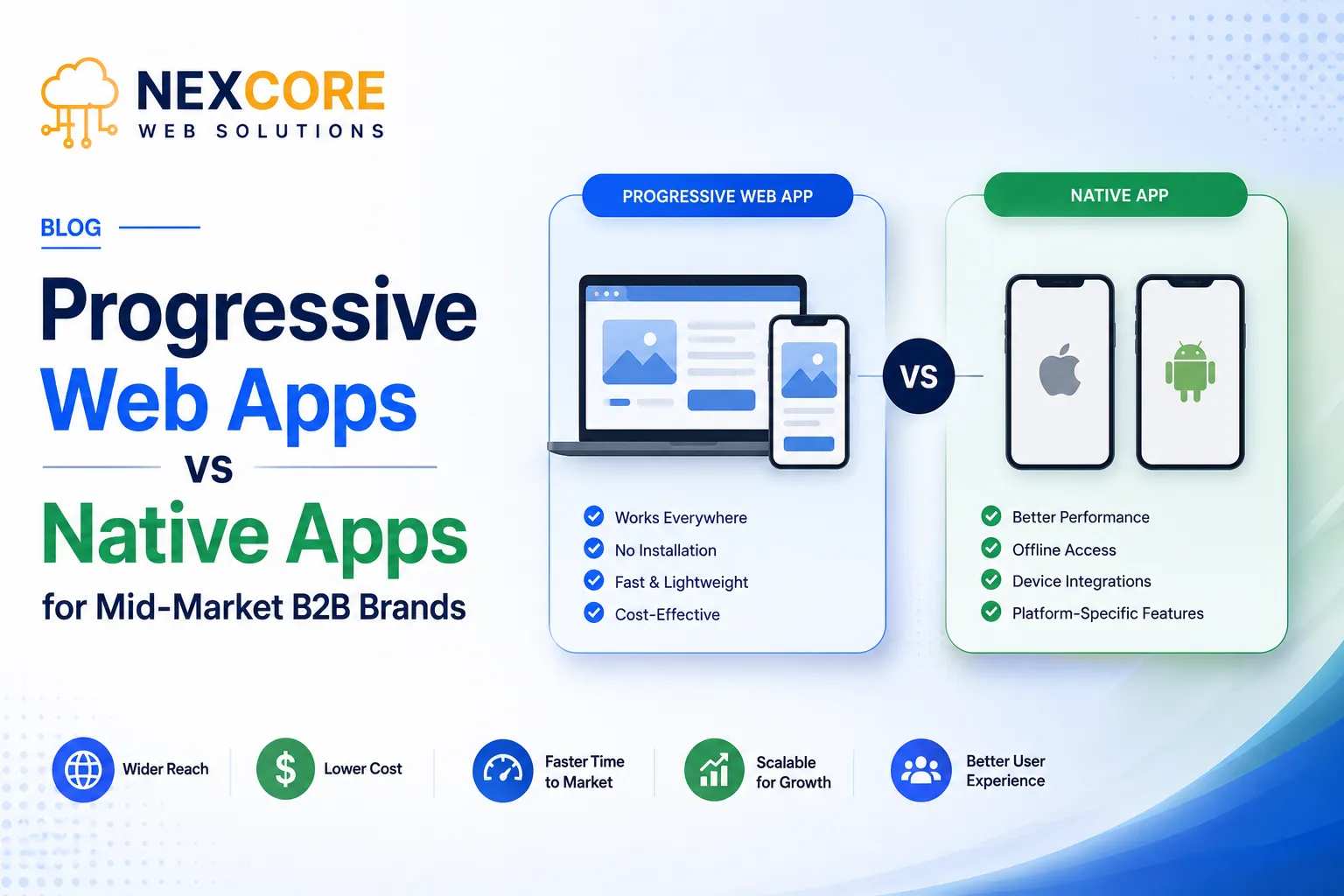
App development is a complex and multifaceted process that requires careful planning, execution, and continuous testing. Even with the best intentions, developers can fall into common traps that may affect the performance, usability, and success of the app. Whether you’re building a mobile app for iOS or Android or developing a cross-platform solution, understanding and avoiding common app development mistakes is essential. In this blog, we’ll highlight some of the most frequent mistakes and provide tips on how to avoid them.
1. Lack of Clear Goals and Objectives
One of the most common mistakes in app development is starting the project without clearly defining the goals and objectives. Without a clear vision of what the app should achieve, developers may get off track, leading to misaligned features, poor user experience, and a longer development timeline.
How to Avoid It:
- Define Clear Objectives: Before starting development, make sure to define the app’s core purpose and target audience. What problem does your app solve, and how does it benefit the user?
- Create a Roadmap: Develop a project roadmap that outlines major milestones, features, and deadlines. This will keep the project focused and organized.
2. Ignoring User Experience (UX) Design
User experience is critical to the success of an app. A poorly designed UI/UX can lead to user frustration, high abandonment rates, and poor reviews. Many developers focus too much on functionality and neglect the overall design and user flow of the app.
How to Avoid It:
- Prioritize UX Design: Invest time and resources into designing an intuitive and seamless user interface. Keep navigation simple, create logical workflows, and ensure that your app’s design reflects your brand identity.
- Conduct User Testing: Regularly test the app with real users to gather feedback on the design and user experience. This will help identify issues early and improve usability.
3. Not Optimizing for Performance
Performance issues, such as slow load times, laggy transitions, and unresponsive actions, are some of the most common reasons users uninstall apps. Failing to optimize app performance can lead to poor reviews and lost customers.
How to Avoid It:
- Optimize Code: Use efficient coding practices and remove any unnecessary code that could slow down the app. Regularly test the app’s performance and optimize it to ensure fast load times and smooth interactions.
- Consider Mobile Device Limitations: Optimize for different mobile devices, as hardware capabilities vary. Ensure that the app performs well on both high-end and low-end devices.
4. Not Testing Enough
Skipping or rushing through the testing phase is a costly mistake that many developers make. Bugs and errors are inevitable in app development, but failing to thoroughly test the app can lead to poor user experiences and a lack of trust in your product.
How to Avoid It:
- Conduct Thorough Testing: Perform a variety of tests, including functional testing, performance testing, security testing, and user acceptance testing. Test on multiple devices, operating systems, and screen sizes to ensure compatibility.
- Use Beta Testing: Release a beta version of your app to a select group of users to identify bugs and gather feedback. This can help catch issues before launching the app to the public.
5. Overcomplicating Features
It’s tempting to add as many features as possible to an app, but overcomplicating the app with unnecessary features can overwhelm users and create a confusing experience. Focusing on too many features may also delay the launch and increase costs.
How to Avoid It:
- Focus on Core Features: Start with a minimal viable product (MVP) that includes the essential features users need. Once the app is live, you can release additional features based on user feedback.
- Prioritize User Needs: Choose features that align with your app’s core objectives and add value to the user experience.
6. Neglecting Security
App security is often overlooked, which can lead to data breaches, privacy violations, and loss of user trust. With the increasing prevalence of cyberattacks, failing to secure your app can have serious consequences for your reputation and business.
How to Avoid It:
- Implement Robust Security Measures: Use encryption, secure APIs, and follow best practices for app security. Protect sensitive user data, and ensure your app complies with privacy regulations such as GDPR or CCPA.
- Test for Vulnerabilities: Regularly perform security audits and penetration testing to identify vulnerabilities and address them before they become issues.
7. Ignoring App Maintenance and Updates
After launching an app, some developers believe the job is done. However, apps require ongoing maintenance and updates to ensure they continue to perform well, remain secure, and meet user expectations.
How to Avoid It:
- Plan for Ongoing Maintenance: Set aside time and resources for regular app updates, bug fixes, and performance optimizations. This will help maintain a positive user experience over time.
- Monitor User Feedback: Pay attention to user reviews and feedback. Address any complaints, fix bugs, and release updates that improve the app based on user input.
8. Inadequate App Store Optimization (ASO)
App store optimization is crucial for ensuring that your app stands out in crowded app stores like Google Play and the Apple App Store. Failing to optimize your app’s listing can result in poor visibility, low downloads, and missed opportunities.
How to Avoid It:
- Optimize App Store Listing: Use relevant keywords in your app title, description, and tags to improve search rankings. Include compelling visuals, such as screenshots and videos, to showcase your app’s features and benefits.
- Encourage Reviews: Positive reviews and ratings are important for app store ranking. Encourage users to leave feedback and respond to reviews to improve user engagement.
9. Lack of Clear Monetization Strategy
Many app developers fail to establish a clear monetization strategy from the outset. Whether your app is free or paid, it’s important to plan how you will generate revenue and ensure the app’s sustainability.
How to Avoid It:
- Choose the Right Monetization Model: Depending on your app’s nature, decide whether to offer in-app purchases, ads, subscription models, or a one-time fee. Make sure the model aligns with your user base and app’s value proposition.
- Provide Value: Regardless of your monetization strategy, ensure that the app provides enough value to encourage users to pay or engage with ads without feeling forced or annoyed.
10. Failure to Adapt to New Technologies
Technology is constantly evolving, and app development is no exception. Developers who fail to stay updated on new trends, tools, and technologies may find their apps becoming outdated and less competitive.
How to Avoid It:
- Stay Current with Trends: Keep up with the latest trends in app development, such as artificial intelligence, machine learning, 5G, and augmented reality. Incorporate new technologies that can enhance your app’s functionality and user experience.
- Upgrade Regularly: Regularly update your app’s technology stack to ensure it stays relevant and compatible with new devices, operating systems, and security standards.
Conclusion
App development is a complex and evolving process, and while there are many challenges, avoiding common mistakes can help ensure that your app is successful. By focusing on clear goals, user experience, performance optimization, testing, security, and regular updates, you can create an app that delights users, performs well, and stands out in the competitive app marketplace. Remember, app development is not a one-time project but an ongoing process of improvement and innovation.
Thank you for reading.
Best Regards,
Divyam Roy