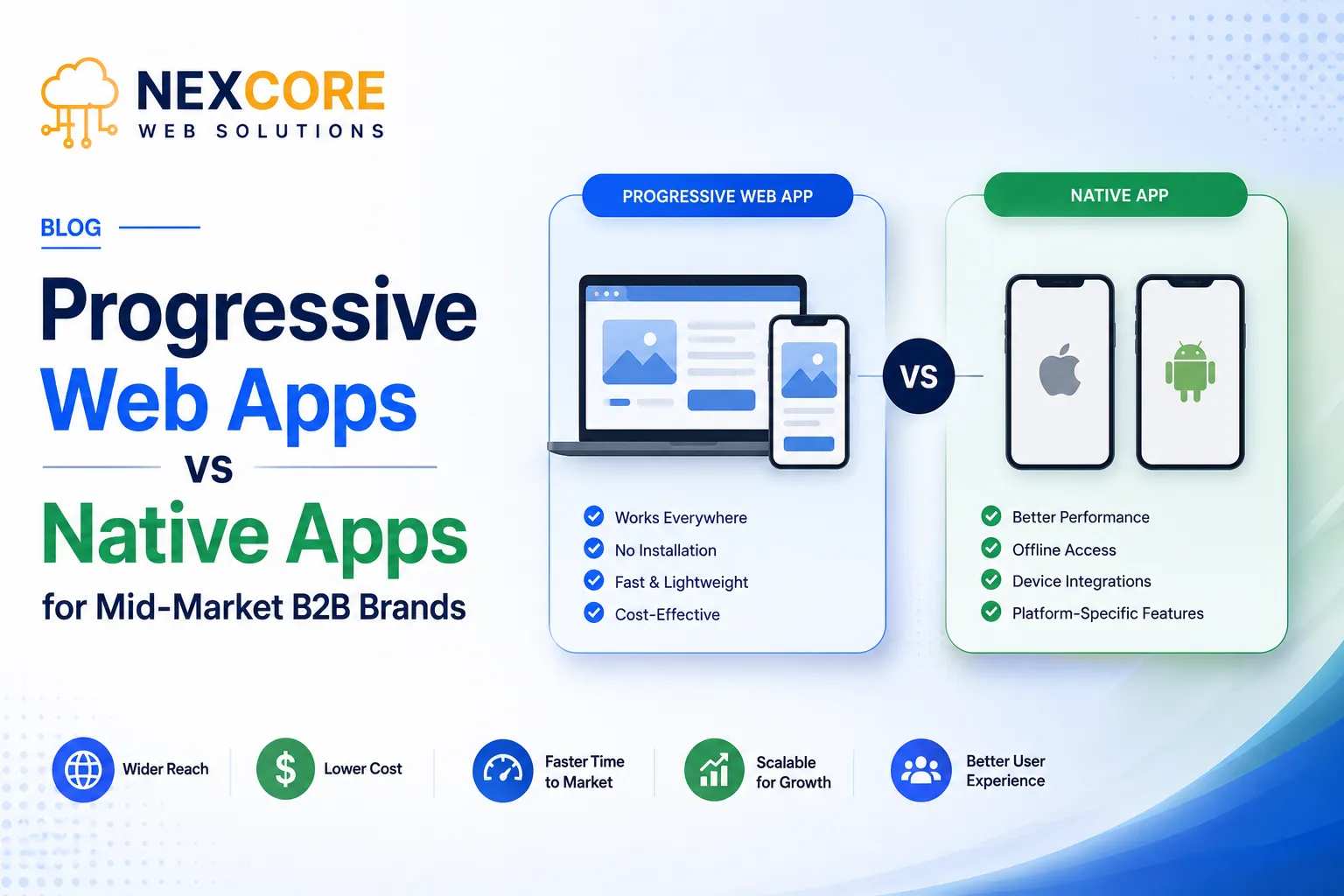
In the world of mobile app development, one of the most common debates centers around whether to choose native or cross-platform development for your app. Each approach has its own set of advantages and disadvantages, and the decision ultimately depends on your project’s needs, budget, and timeline. In this blog, we will explore the differences between native and cross-platform app development and help you determine which approach is best for your app development needs.
What is Native App Development?
Native app development refers to creating apps that are designed specifically for a particular platform (iOS or Android) using platform-specific programming languages. For iOS, the language of choice is Swift (or Objective-C), while for Android, developers use Java or Kotlin. Native apps are optimized to run on their respective platforms, allowing developers to take full advantage of device features and hardware.
What is Cross-Platform App Development?
Cross-platform app development, on the other hand, involves building an app that can run on multiple platforms (iOS, Android, and sometimes even web) using a single codebase. Popular frameworks for cross-platform development include React Native, Flutter, and Xamarin. These frameworks allow developers to write code once and deploy it across different platforms, saving time and effort.
Native App Development: Pros and Cons
Pros of Native App Development:
- Optimal Performance: Native apps are optimized for specific platforms, which means they generally offer better performance, faster speed, and smoother user experiences.
- Access to Device Features: Native apps can easily access all device features such as GPS, camera, microphone, accelerometer, and more. This is especially important if your app requires heavy interaction with hardware or advanced functionalities.
- Better User Experience: Since native apps are designed to match the guidelines and design principles of their platform, they often provide a more intuitive and seamless user interface.
- App Store Support: Native apps typically get faster approval from app stores, as they adhere strictly to platform-specific standards.
Cons of Native App Development:
- Higher Development Costs: Developing separate native apps for iOS and Android can be more expensive, as it requires different teams of developers for each platform.
- Longer Development Time: Since you have to create and maintain separate codebases for each platform, the development timeline can be significantly longer.
- Maintenance Complexity: Native apps require separate updates and maintenance for each platform, which can increase long-term costs and effort.
Cross-Platform App Development: Pros and Cons
Pros of Cross-Platform App Development:
- Single Codebase: One of the main advantages of cross-platform development is the ability to write one codebase that works on multiple platforms. This reduces development time and costs.
- Faster Time to Market: Since developers only need to build the app once, cross-platform development can often result in a quicker time to market, allowing businesses to launch their app faster.
- Consistent User Experience: With a single codebase, cross-platform apps can provide a consistent user experience across both iOS and Android devices.
- Lower Development and Maintenance Costs: By sharing a single codebase, businesses can save on both development and maintenance costs over time.
Cons of Cross-Platform App Development:
- Performance Issues: While cross-platform apps perform well in many cases, they may not be as fast or responsive as native apps, particularly for more complex applications that require heavy processing power.
- Limited Access to Device Features: Although cross-platform frameworks provide access to many device features, some advanced or platform-specific features may not be available or may require custom development.
- Potential Compatibility Issues: Cross-platform frameworks sometimes face issues when adapting to new platform versions or updates. This could result in bugs or compatibility issues that need to be fixed.
Which is Better: Native or Cross-Platform?
The decision between native and cross-platform app development depends on various factors, including your app’s functionality, budget, and timeline. Let’s break it down:
- App Complexity: If your app requires high performance, access to device-specific features, or intensive graphical elements (such as games or AR apps), native development might be the better choice. Native apps provide a more optimized experience for these types of apps.
- Budget and Timeline: If you’re looking to develop an app quickly and at a lower cost, cross-platform development is the way to go. It allows you to target both iOS and Android platforms with a single codebase, which can significantly reduce development time and costs.
- Long-Term Maintenance: If you’re planning for long-term scalability and updates, cross-platform development might offer more flexibility, as you only need to maintain one codebase. However, native apps may be better suited if you require platform-specific optimizations or want to take advantage of advanced features.
- User Experience: If providing a highly tailored user experience is a priority, native development is typically preferred, as it allows you to create platform-specific designs and take full advantage of device capabilities.
Conclusion
Both native and cross-platform app development have their advantages, and the right choice depends on your specific project needs. Native app development is best suited for complex apps that require high performance and deep integration with device features. On the other hand, cross-platform development is ideal for businesses looking to build an app quickly and efficiently across multiple platforms at a lower cost.
If you’re unsure which approach is best for your app, consulting with an expert development team like Nexcore Web Solutions can help you make the right decision based on your business goals and technical requirements.
Thank you for reading.
Best Regards,
Divyam Roy